Cast Iron Repair
Cast iron is one of most challenging alloys to weld. The carbon that makes pump casings, valve bodies and engine blocks hard and rigid turns brittle the moment an arc touches it. Resimac cold-applied repair compounds fix cracked and worn cast iron with no heat at all.
The Short Answer
Gray, ductile and malleable cast iron can be welded, but only with a careful procedure: preheating the whole casting, nickel filler rod, low heat input, short beads with peening after each one, and slow cooling under insulation. Even then, the heat-affected zone next to the weld often cracks. White cast iron is generally considered unweldable.
The alternative: for cracked casings, leaking seams, worn bores and damaged flanges, a cold repair with a metal-filled epoxy such as Resimetal 101 skips the heat and the cracking that comes with it. No heat-affected zone, no distortion and no hot work permit.
The Difficulties
Every one of these problems traces back to the same root cause. Cast iron carries roughly ten times the carbon of mild steel, and almost none of steel's ability to stretch before it breaks.
01
Cast iron holds 2 to 4% carbon, mostly as graphite. Welding heat dissolves it into the iron around the weld, where it forms hard iron carbide, a leading cause of cast iron weld cracking.
02
Fast cooling turns the zone next to the weld into hard, brittle martensite. Failure investigations of cracked cast iron valve bodies trace fractures right back to this zone.
03
Steel stretches as a weld shrinks. Cast iron cracks instead, usually at the weld toe or in the heat-affected zone, and sometimes hours after the part looks finished.
04
Typical procedures preheat the entire casting to 500–1200°F, often around 600°F for gray iron, then cool it slowly under insulation. That's rarely practical on equipment still in the line.
05
Engine blocks, gearboxes and pump housings absorb oil over years of service. Welding heat drives it into the puddle, leaving porosity and wormholes that weaken the joint or reopen the leak.
06
Cast iron chemistry varies by foundry and era, and identifying the grade can take lab analysis. Matching it with filler is next to impossible, and steel rod leaves deposits too hard to machine.
07
Localized heat locks residual stress into the casting and pulls bores, sealing faces and bearing fits out of tolerance, so a welded part may still need re-machining or won't seal.
08
A sound cast iron weld takes an experienced welder, peening after every short bead, a hot work permit and a fire watch. Even then, success is never guaranteed.
Alternatives to Welding Cast Iron
Brazing, metal stitching and full replacement are all options too. For the everyday cracks, leaks and wear that keep pumps, valves and engine blocks out of service, a cold-curing metal repair compound is usually the fastest of them.
Factor
Welding Cast Iron
Resimac Cold Repair
Heat into the casting
Preheat plus arc. The heat-affected zone forms carbides and martensite.
None. Applied and cured at room temperature.
Cracking risk
High, and often delayed until after cooldown.
No thermal shock, so no heat-induced cracking.
Distortion
Residual stress can warp bores and sealing faces.
No shrinkage or warping during cure.
Oil-soaked iron
Porosity as oil boils out of the casting.
104 XF bonds through oil and grease contamination.
Unknown grade
Filler choice and procedure depend on it.
Bonds to prepared iron regardless of grade.
Permits and skill
Hot work permit, fire watch and an experienced welder.
No hot work. A trained maintenance crew can apply it.
Finishing
Hard deposits can be difficult to machine.
Drill, tap and machine once cured.
Repair location
Often means pulling the part and sending it out.
Often repaired in place, even underwater with 106 XF.
Resimac 100 Series
Two-component, solvent-free epoxies that bond to cast iron, fill cracks and rebuild lost metal, then cure hard enough to drill, tap and machine. Cracked engine blocks and cracked pump and valve casings are listed applications across the line. Values are typical at 68°F.
101
High-Build Paste
The workhorse for cracked pump and valve casings, worn bearing housings, damaged flanges and cracked engine blocks.
101 XHT
High-Temp Paste
For castings that run hot: cracked pump and valve casings, process vessels, flanges and engine blocks.
104 XF
Oil-Tolerant Fluid
The answer to oil-soaked cast iron. Bonds to minimally prepared metal, even through oil, grease and lubricants.
106 XF
Fast Paste
Fast-curing paste for emergency repairs to cracked casings and leaking seams. Bonds and cures underwater.
103
Putty Stick
Knead it and press it in. Seals small cracks and pinhole leaks in cast iron with no tools or mixing board.
102
Brushable Fluid
Brushes on to resurface pitted, scarred and corroded cast iron, such as pump volutes and tank walls.
Temperature limits depend on load. Confirm suitability against the current Resimac technical data sheet for your service conditions, or compare the full Resimac 100 Series.
How It's Done
A cold repair on a cracked pump casing, valve body or engine block follows the same four steps. Surface preparation decides how well the repair holds.
01
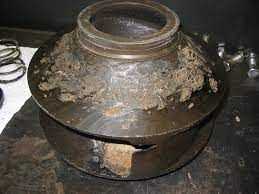
Find both ends with dye penetrant and drill a small hole just past each one. Then grind a V-groove along the crack.
02
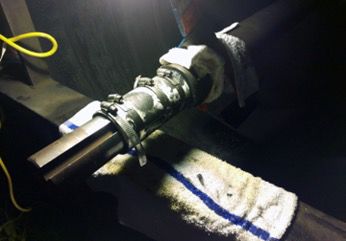
Degrease with USI Universal Cleaner, then blast or abrade to bright, profiled metal and clean again.
03
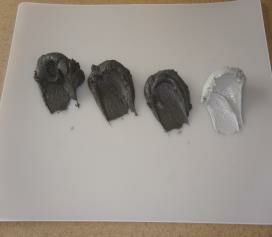
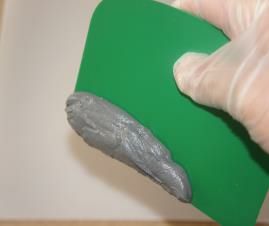
For 101, mix 3 parts base to 1 part activator until it is a streak-free mid grey.
04
Press it firmly into the V, overfill slightly and machine once hard, about 2 hours at 68°F. No preheat and no cooldown.
Oil-soaked casting? Old engine blocks, gearboxes and pump housings that won't come fully clean are where welding struggles most. Use Resimac 104 XF, which bonds to minimally prepared metal through oil and grease.
Choosing the Right Method
FAQ
Can you weld cast iron?
Yes. Gray, ductile and malleable cast iron can be welded with the right procedure: preheat, nickel-based filler, low heat input, short beads with peening, and slow cooling. White cast iron is generally considered unweldable. Even with good technique, cracking in the heat-affected zone is common.
Why does cast iron crack after welding?
Welding heat dissolves carbon from the graphite into the surrounding iron. Fast cooling turns that zone into brittle carbides and martensite, and because cast iron can't stretch, shrinkage stress cracks it, usually at the weld toe or in the heat-affected zone rather than in the weld itself.
What is the best alternative to welding cast iron?
For cracks, leaks and worn surfaces, a cold repair with a metal-filled epoxy such as Resimac 101 avoids heat entirely: no heat-affected zone, no distortion and no hot work permit. Metal stitching and brazing are other heat-limited options for larger structural breaks.
Can epoxy fix a cracked cast iron engine block or pump casing?
Yes, for many cracks and leaks. Resimac lists cracked engine blocks and cracked pump and valve casings as typical applications for 101, 101 XHT and 106 XF. Stop-drill the crack, grind a V-groove, clean thoroughly and fill.
How hot can a Resimac cast iron repair run?
Resimac 101 Metal Repair Paste is rated for dry heat up to 392°F, depending on load. For hotter equipment, 101 XHT is rated to 464°F in dry heat and 356°F in immersion.
Can you repair oil-soaked cast iron without welding?
Yes. Resimac 104 XF Metal Repair Fluid bonds to minimally prepared metal and surfaces contaminated with oil, grease and lubricants, which is exactly where welding struggles with porosity.
Send us photos of the crack and the operating conditions, and we'll recommend the right Resimac repair for your cast iron.
Or email support@USIgroups.com